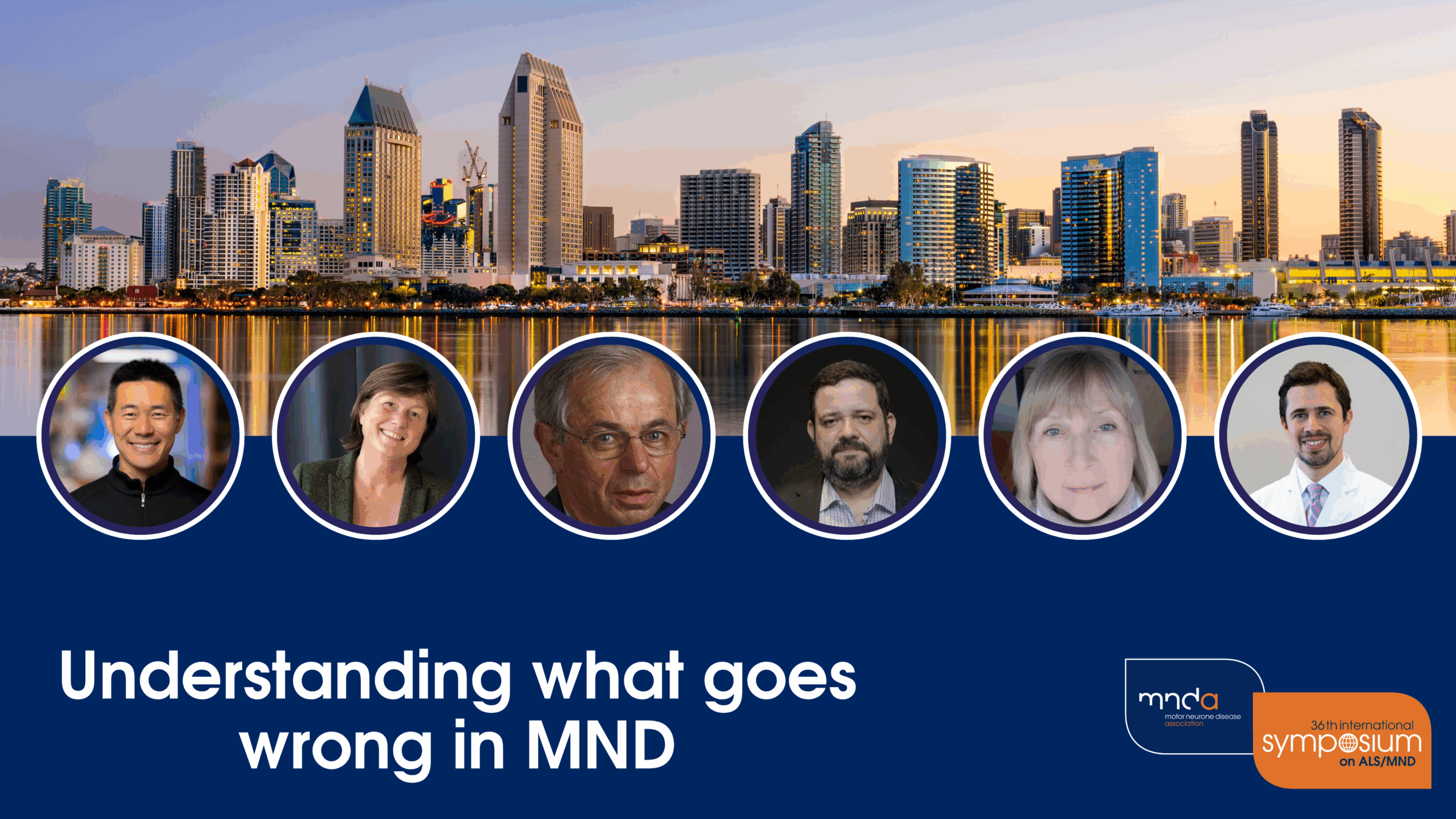
Reading Time: 7 minutesOur DNA contains genes, which are the instructions to make proteins, and proteins are the building blocks of our cells. Changes to the instructions in genes can affect not only what proteins are made, but how proteins are made. Understanding the changes in genes and proteins that are linked to MND can help us to understand what goes wrong in MND and why.
Search Results for: TDP-43
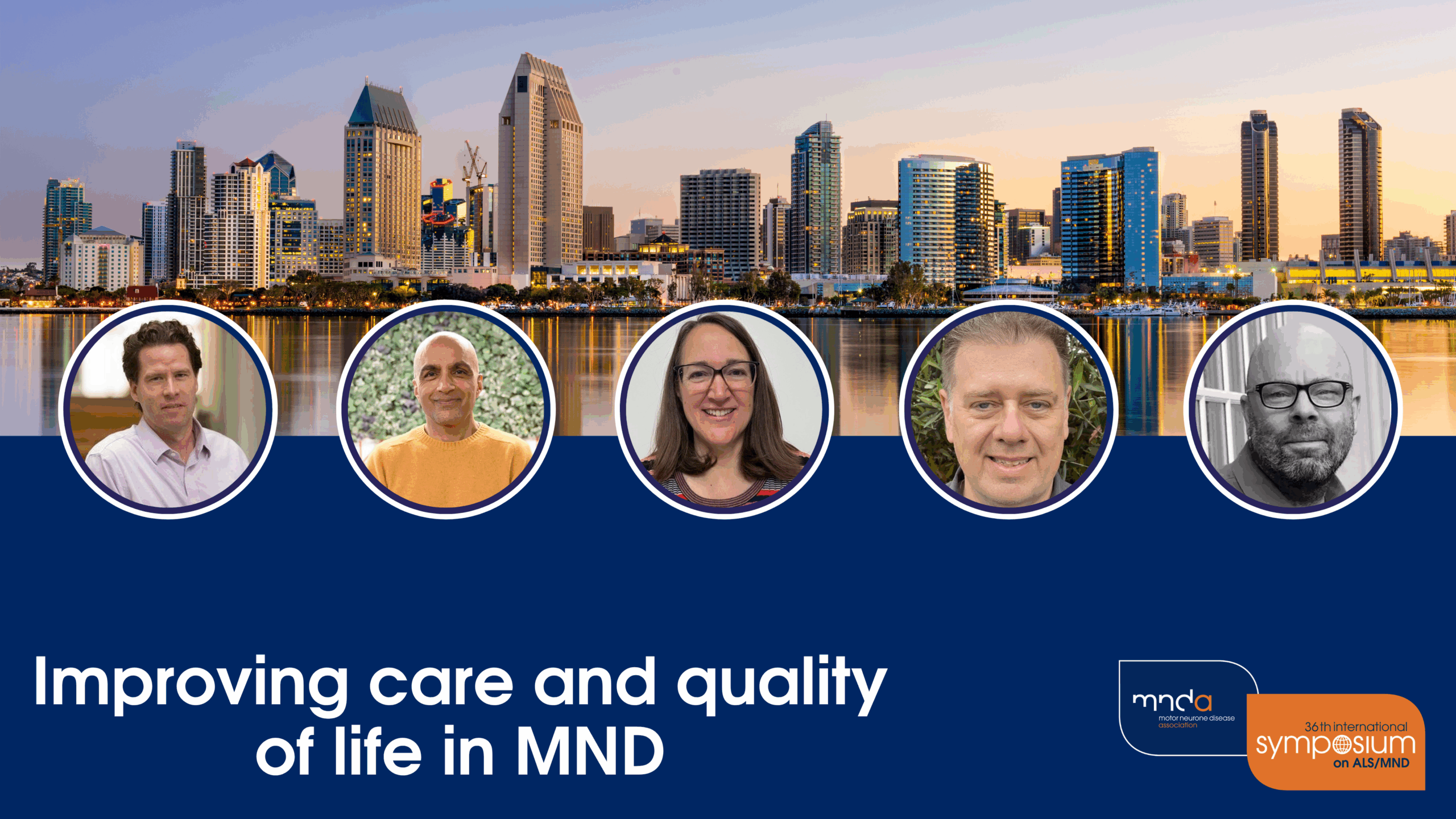
Reading Time: 6 minutesMND doesn’t just affect movement – it can also impact thinking and behaviour. Research has suggested that around a third of people with MND also develop changes to their thinking and learning, language and communication and behaviour and emotions. For some people with MND, these changes may be a sign of a type of dementia, known as frontotemporal dementia (FTD).
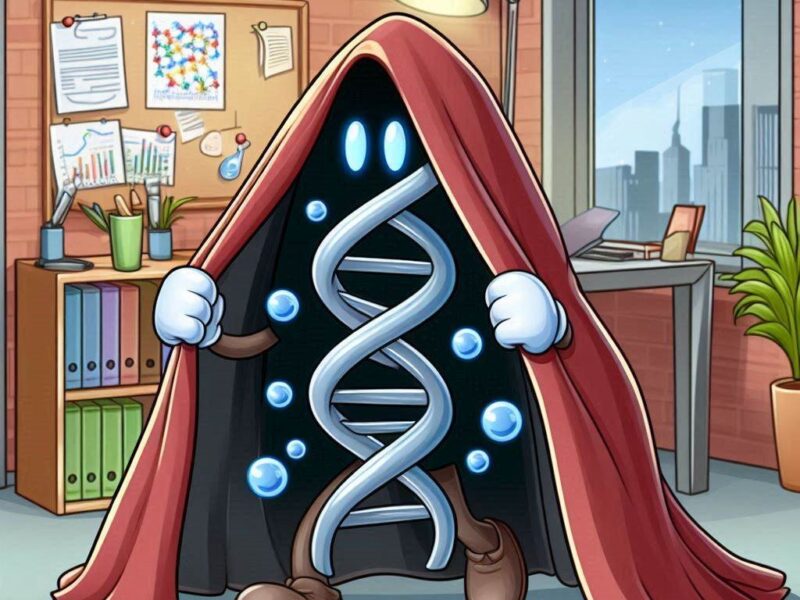
Reading Time: 5 minutesBy Oscar Wilkins, Non-Clinical Research Fellow, University College London and The Francis Crick Institute Hi, I’m Oscar, a newly appointed Lady Edith Wolfson Non-Clinical Research
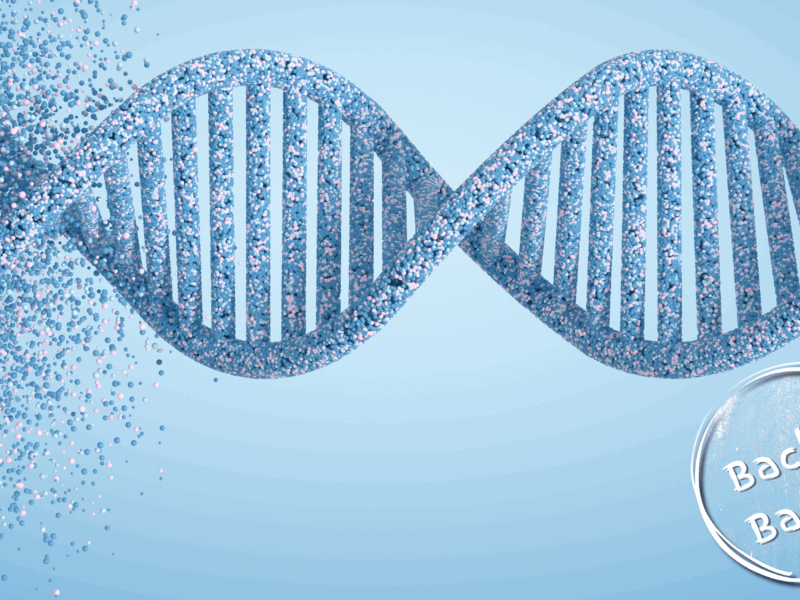
Reading Time: 7 minutesIt is thought that a number of genetic, environmental and lifestyle factors combine before most forms of MND develop. While researchers are still trying to

Reading Time: 5 minutesIn December 2024, we organised the 35th International Symposium on ALS/MND in Montreal, Canada. The International Symposium brings together researchers, healthcare professionals and people with and
Clinical Trials Get involved with research Markers of Disease Progression MND Research Research we fund Treatments
UK clinical trial updates to look out for in 2025
Reading Time: 6 minutesNew and effective treatments for MND are urgently needed and many scientists around the world are working towards this. Throughout 2024, we saw many new
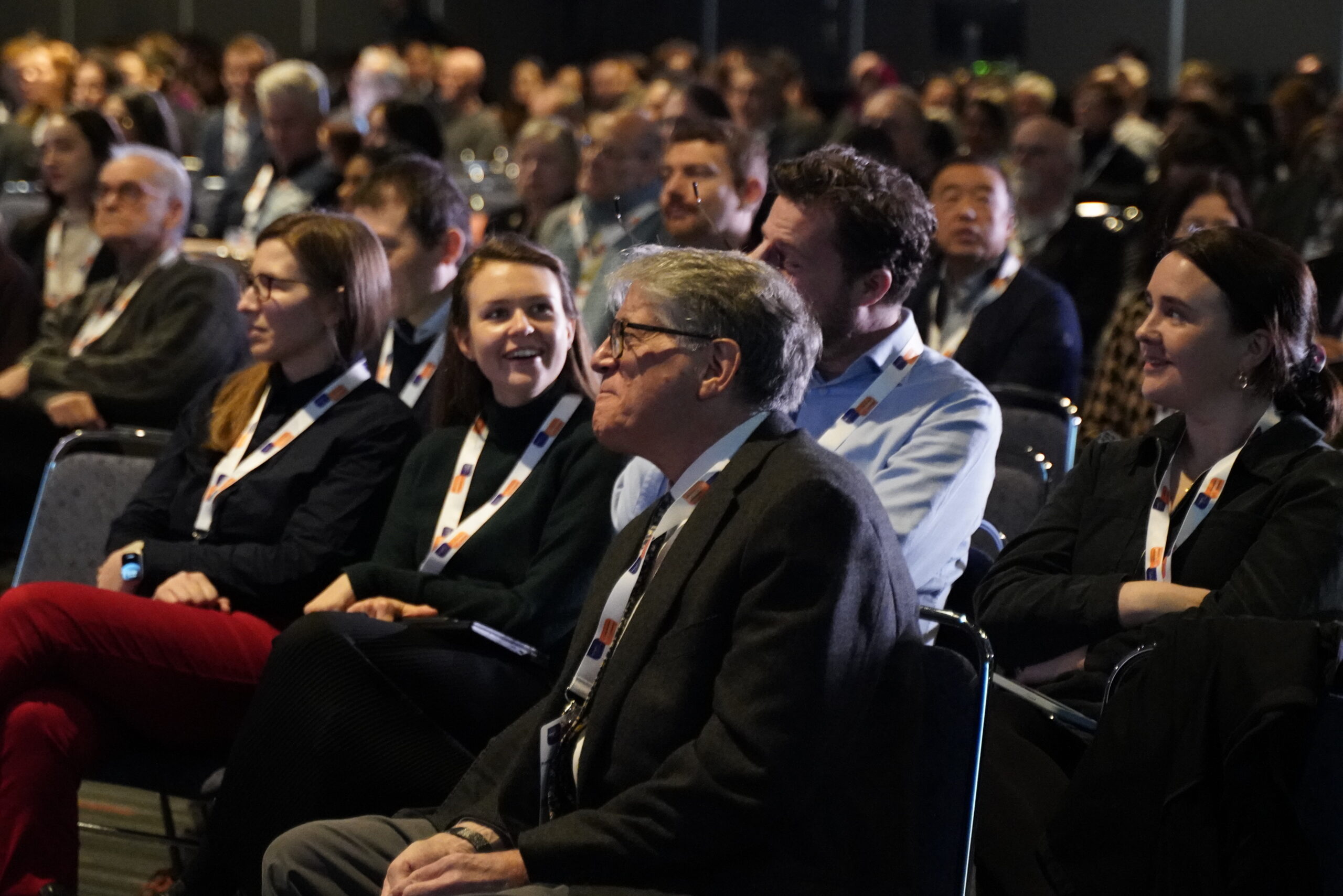
Reading Time: 5 minutesLast month, we hosted the 35th International Symposium on ALS/MND in Montreal, Canada. The International Symposium brings together researchers, healthcare professionals and people with and
35th Symposium: Montreal Clinical Trials Events Healthcare MND Research Research we fund Symposium Treatments
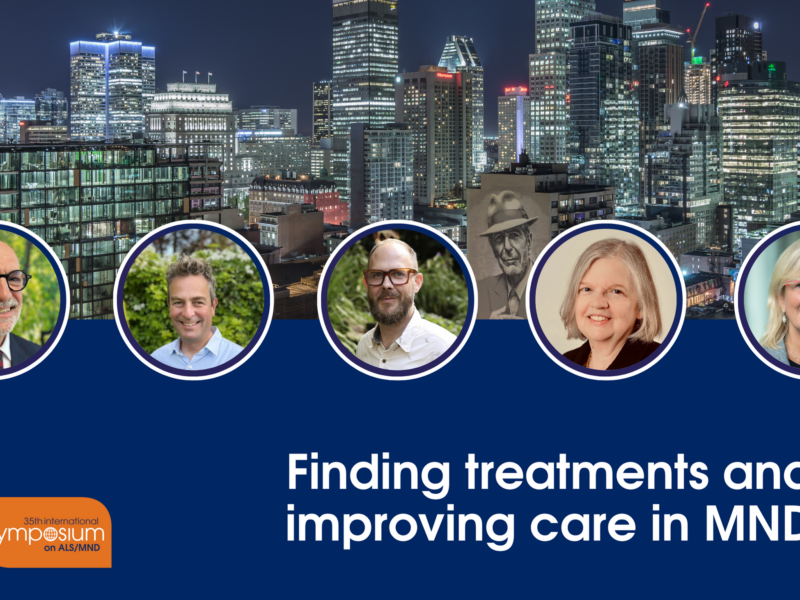
Finding treatments and improving care in MND
Reading Time: 7 minutesIt’s that time of year again when we’re counting down to the annual International Symposium on ALS/MND! This year marks the 35th Symposium, the largest scientific

Reading Time: 6 minutesIt’s that time of year again when we’re counting down to the annual International Symposium on ALS/MND! This year marks the 35th Symposium, the largest scientific
Reading Time: 5 minutesIn a previous blog, we looked at DNA, genes and proteins. This blog dives deeper into this area of biology and focuses on how proteins