Around one in ten people diagnosed with MND have a family history of the disease. Some people also have a family history of a related disease called Frontotemporal dementia (FTD). FTD is a type of dementia that some people with MND also develop. MND and FTD have been found to share biological changes that happen within the brain, including changes to genes that are linked to both diseases.
When someone has a family history of either disease and is diagnosed, this is called inherited or familial MND or FTD. You can read more about inherited MND in a booklet on our website.
Research has shown that, while inheriting a gene change linked to MND or FTD does increase risk of getting the diseases, it doesn’t mean a person will definitely develop MND or FTD.
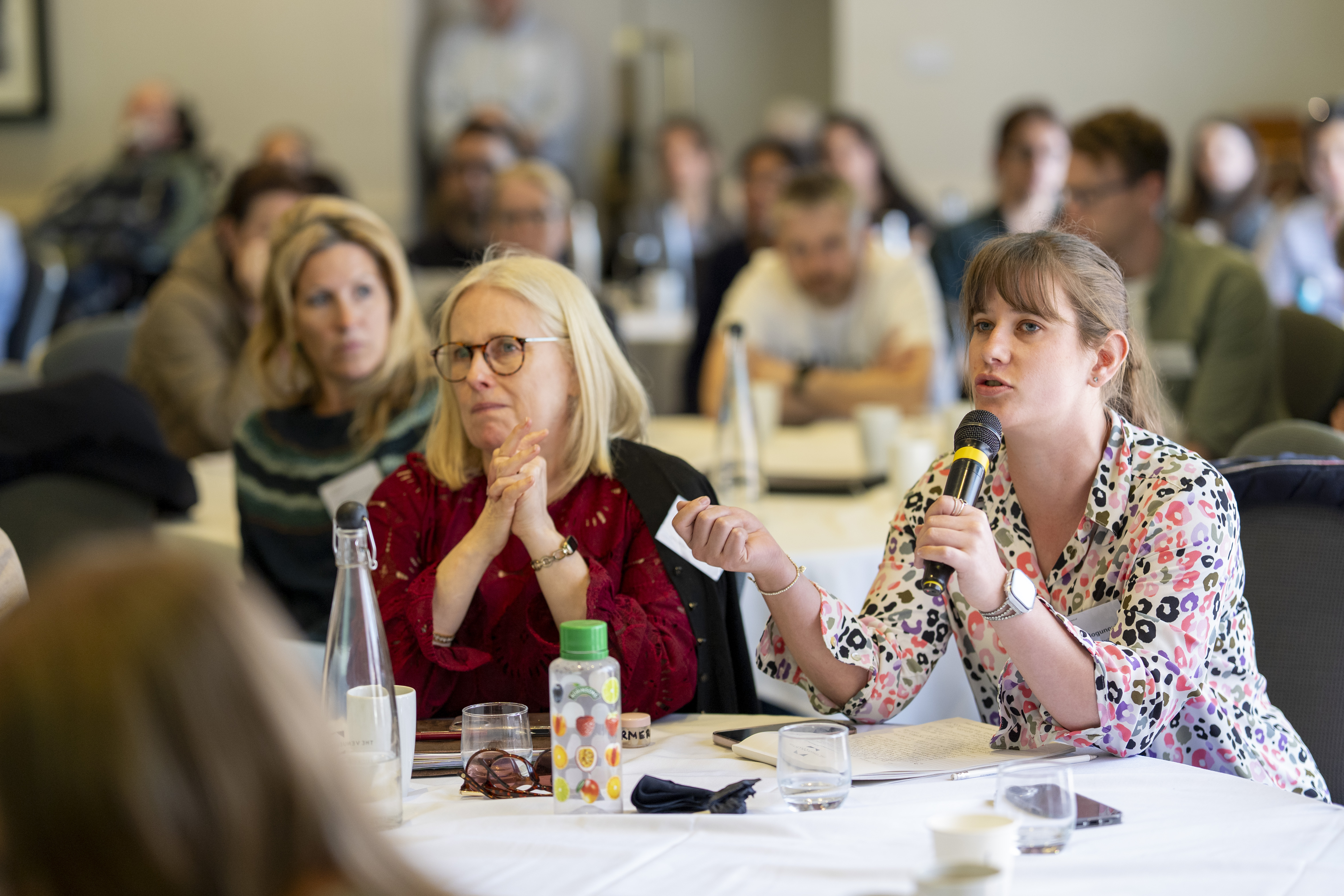
For families that are affected by inherited MND and FTD, it can be helpful to be part of a community of others who are experiencing the same situations as them. This is why we recently supported an event led by the University of Oxford, called FaTHoM day, to bring together families affected by inherited MND.
What is FaTHoM?
Families for the Treatment of Hereditary MND (FaTHoM) is an event that was first established by the team at the MND clinic in Oxford in 2017. It is an initiative organised by the University of Oxford to bring together and support families affected by inherited forms of MND. FaTHoM day, a day to bring this community together and share the latest in genetic research into MND, has taken place roughly every other year since. The day includes expert talks on the science of genetic forms of MND and enables discussion of issues affecting families. FaTHoM is open to anyone living with inherited MND, and their close relatives.
FaTHoM is an important event for the inherited MND community as it provides them with an opportunity to hear about research into genetic forms of MND. They can find out about current and future trials and research from leading neurologists and researchers. It also enables families affected by inherited MND from around the country to meet with each other in a friendly and supportive environment.
FaTHoM day 2026
The 4th FaTHoM Day was held on April 30th 2026 and included presentations on a wide range of topics including new long-term results from Tofersen, tools to help people decide whether to have genetic testing and new methods for estimating genetic risk in a more personalised way.
The day began with Professor Kevin Talbot, from the University of Oxford, giving an introduction to gene changes in MND and an update on some of the gene therapies that have been designed to target these changes.
Some people with a family history of MND decide to have genetic testing to find out whether they have inherited a change in a gene linked to MND. Before people have this testing, they have genetic counselling to help them decide whether the testing is right for them. The decision to have genetic testing is a very personal one and has to be carefully considered as the results will have implications for other family members, such as siblings, children and grandchildren.
Professor Ammar Al Chalabi, from Kings College London, gave a presentation on the process of genetic testing and importance of genetic counselling for those considering having genetic testing. Genetic counselling helps people to understand the pros and cons of having genetic testing so that they can make an informed decision on whether they want to go ahead with the testing. He discussed some of the challenges of delivering genetic counselling in the clinic and described his research into how these challenges might be overcome. He is currently researching whether a specially designed AI tool could be useful for supporting genetic counselling, enabling people to ask questions and access information at home in their own time. This AI tool is currently being developed and will be tested to see whether it could be an appropriate solution to some of the challenges of genetic counselling.
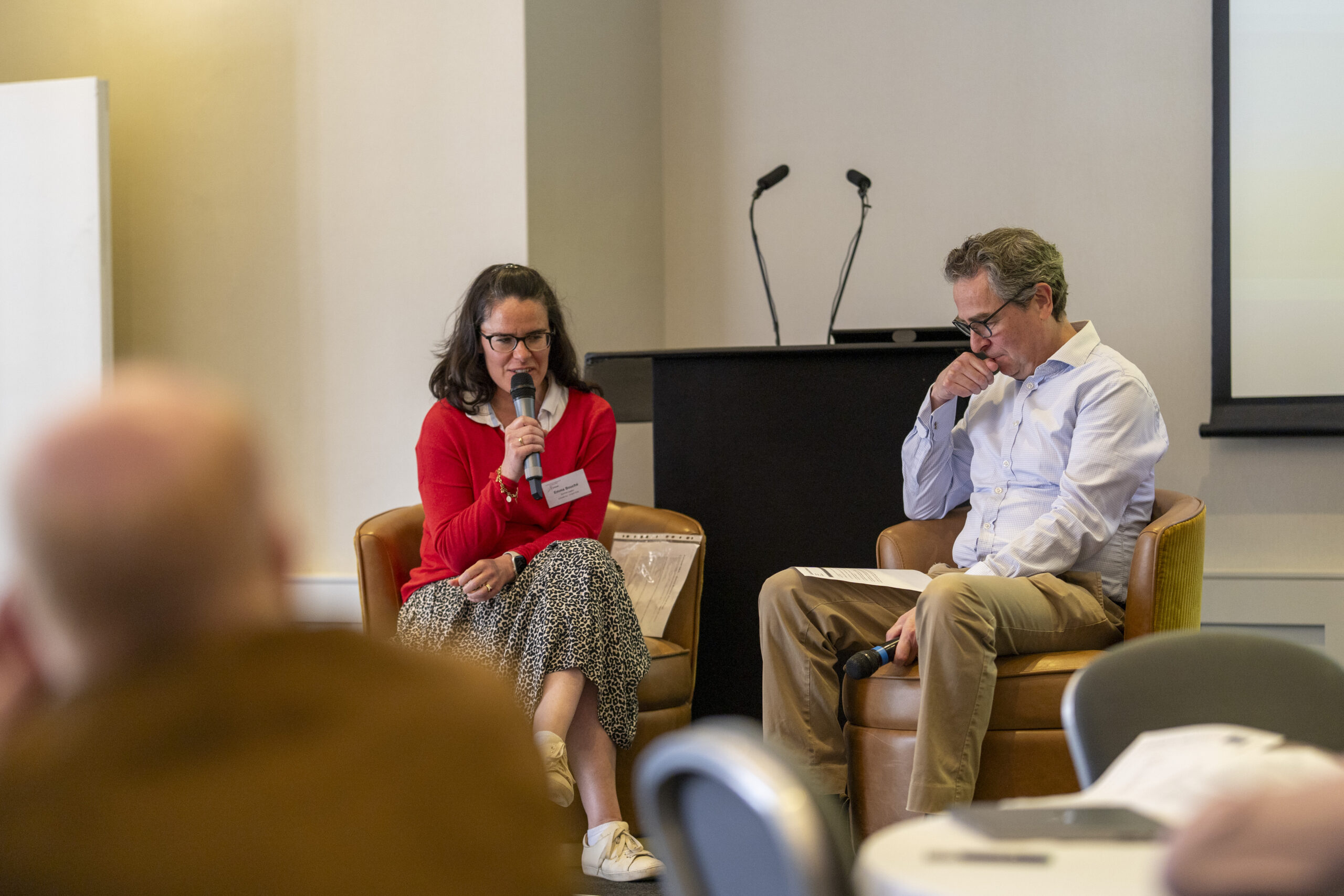
The day also included a talk on a research studies that families affected by MND and FTD can get involved in. Dr Rhian Convery from University College London spoke about the Genetic FTD Initiative or GENFI study which is active in 14 countries across Europe and Canada. GENFI aims to detect the very earliest changes that happen in FTD by collecting information from families that are affected by the disease. This information includes psychological testing, MRI scanning, genetic testing, biological sample collection and clinical information. She discussed some new digital monitoring tools (such as apps on tablets and smartwatches) that are being added to the study. Emma Bouché, a speaker at this year’s event, took part in an interview session to share her experience of being involved in the GENFI study and explain why she wanted to participate.
End The Legacy
As well as being involved in FaTHoM, Emma is also a member of another organisation for people affected by inherited MND and FTD called End The Legacy. End The Legacy is an international non-profit organisation that aims to support families in the inherited MND and FTD community. This organisation helps to give this community a voice by supporting those who are affected. They also share and discuss updates in genetic research, connect the community with opportunities to take part in research and champion access to appropriate support, and, where people choose it, pre-symptomatic monitoring for people living with inherited risk.
“I wanted to get involved with End The Legacy because inherited MND and FTD affect entire families across generations, and many people living alongside genetic risk can face uncertainty around both conditions. What I’ve valued most about End The Legacy is the sense of openness and shared purpose. It has helped connect people who understand the unique emotional and practical realities of living alongside genetic risk, while also creating constructive dialogue with researchers, clinicians and organisations working towards better support and ultimately prevention.” – Emma Bouché, End The Legacy Board European Officer.
FaTHoM Day 2026 highlighted the importance of bringing families, researchers and clinicians together to share knowledge, experiences and hope for the future. For people living with inherited MND or FTD, or those who may be at increased genetic risk, events like FaTHoM and communities such as End The Legacy can provide valuable opportunities to learn more, ask questions and connect with others who are experiencing the same situations. If you would like to find out more, you can visit the End The Legacy website or watch the FaTHoM Day 2026 presentation recordings using the button below.
We would like to thank Daniel Plotkin, Senior Clinical Research Project Manager at the Oxford Motor Neuron Disease Care & Research Centre, and Emma Bouché, End The Legacy Board European Officer, for their contributions to this blog.
