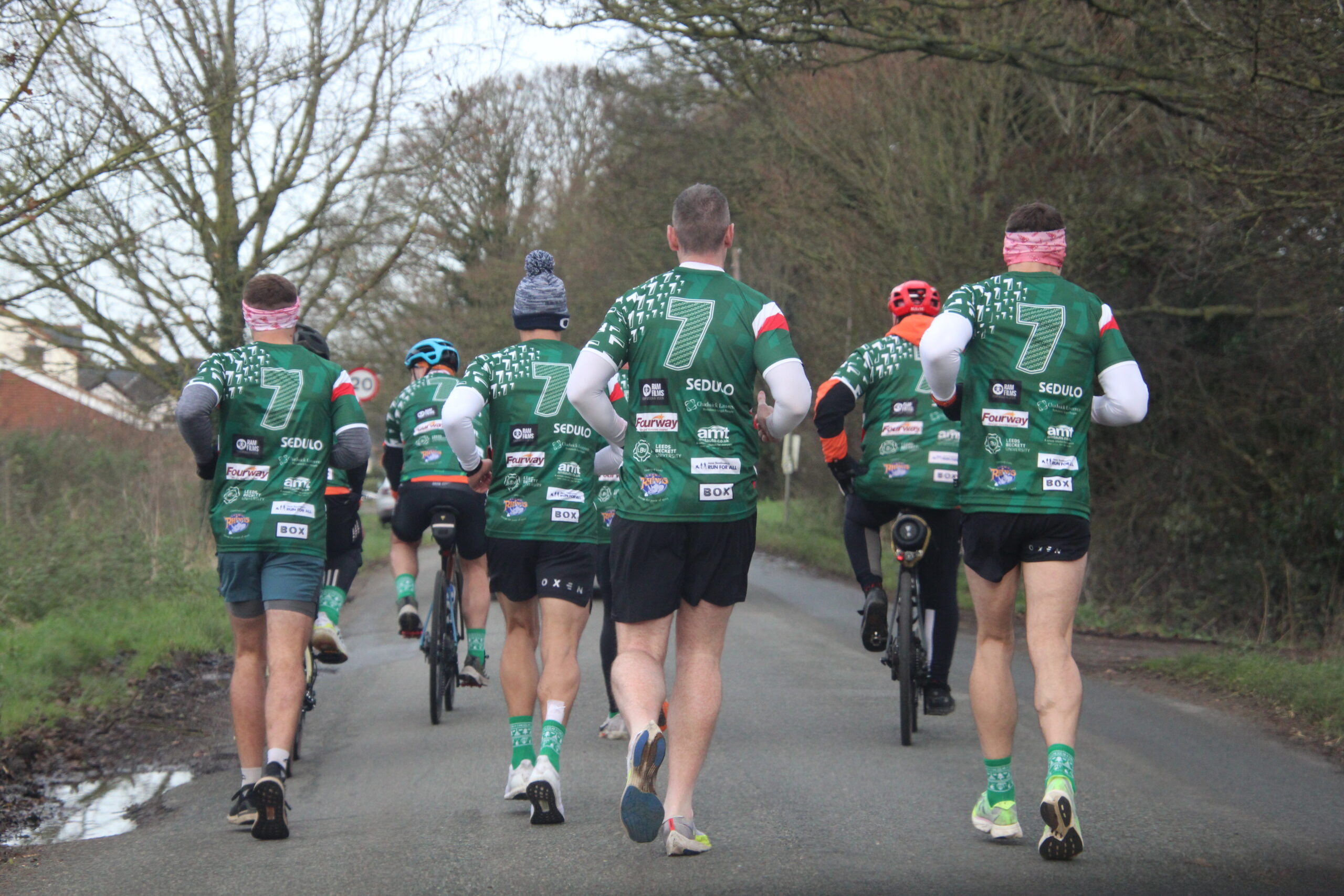
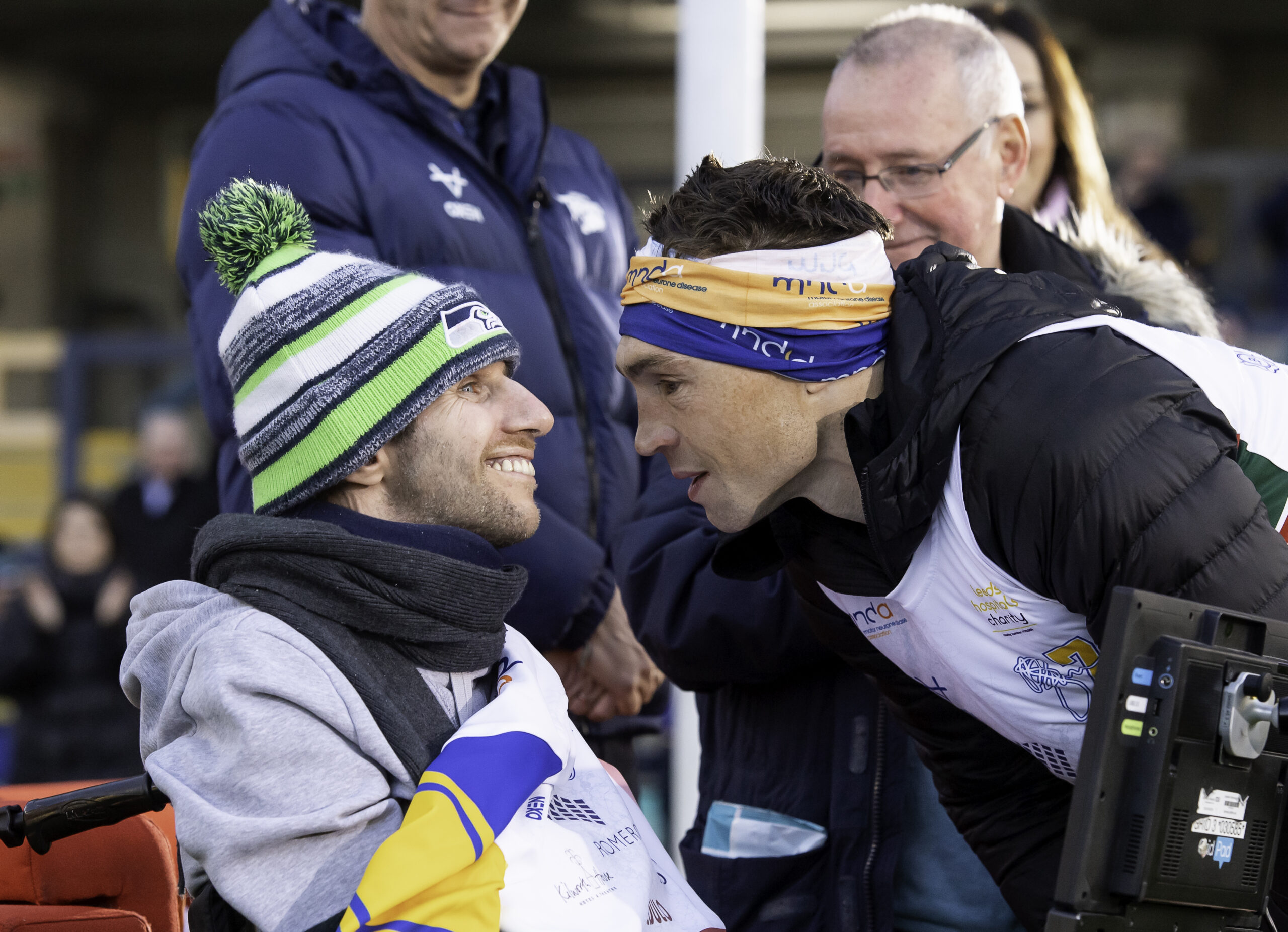
When Rob Burrow CBE was diagnosed with MND in 2019, few could have predicted the exceptional determination with which one friend and former teammate would set out to generate vital funds and raise awareness of MND. That friend, Sir Kevin Sinfield CBE, embarked on his first 7 in 7 Challenge in 2020. That soon grew into a goal of completing seven challenges in total, in honour of Rob’s shirt number at Leeds Rhinos.
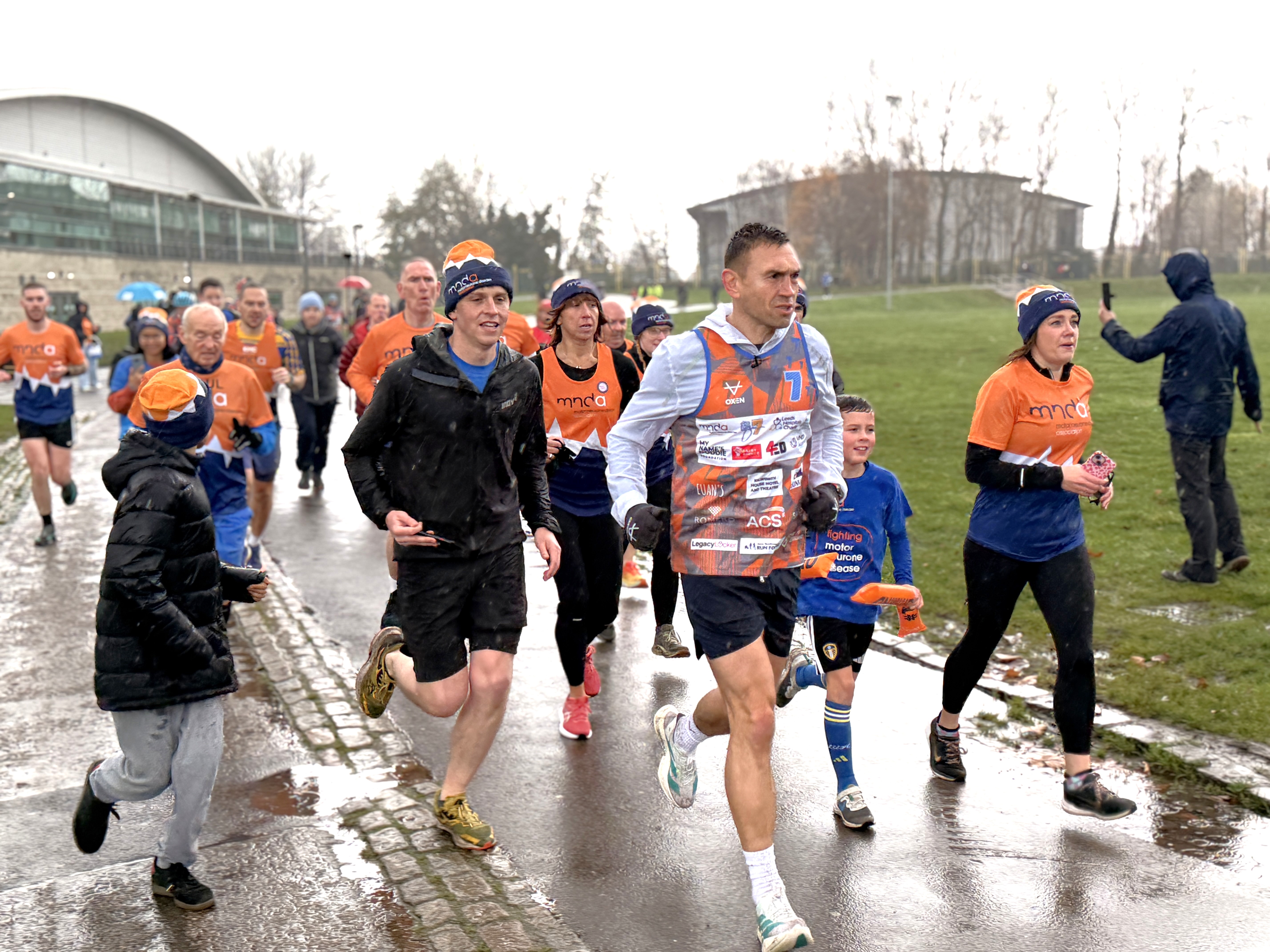
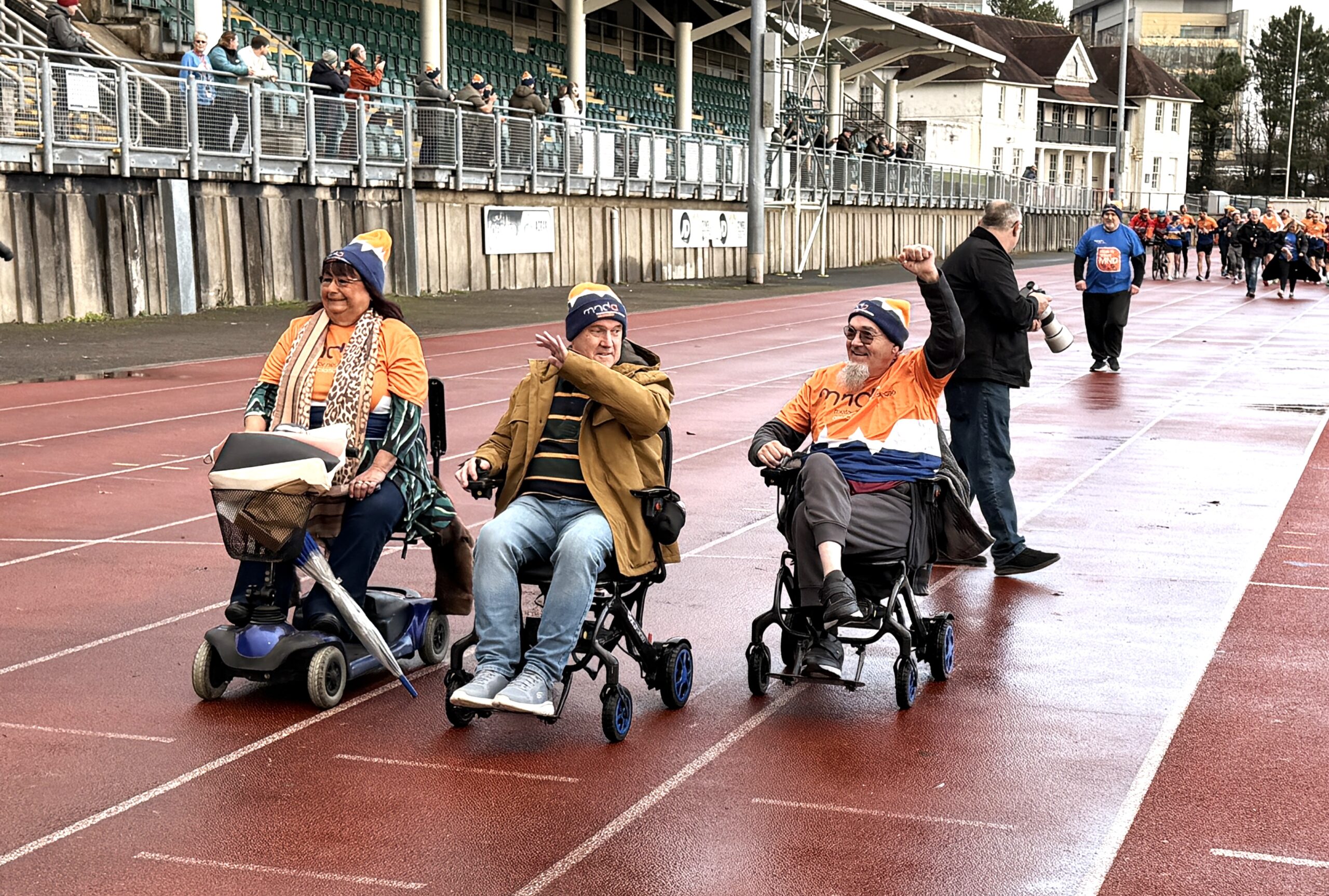
Each challenge has been an incredible feat of drive, commitment and endurance. There have been marathons, ultra-marathons and the ‘extra mile’ run with the MND community. To date, these extraordinary challenges have raised over £11 million for MND charities, with an unprecedented £6.63 million coming to the MND Association.
Of the funds raised for the Association, £3.38 million has directly supported our research portfolio. £3.17 million has been allocated to our care and services programmes.
As Kevin and his team tackle their seventh and final 7 in 7 challenge this week, we thought we’d shine a light on some of the research projects his phenomenal fundraising has been supporting.
The UK MND Research Institute

£1 million raised by Kevin and the team has helped provide the core infrastructure for the UK MND Research Institute (RI). This funding started with the team’s second challenge, the Extra Mile Challenge of 2021: an impressive 101 miles, composed of 7 km stages, from Leicester to Leeds in just 24 hours!
The virtual Institute, launched in November 2023, is a national network of MND research centres working together to understand how and why MND develops, what may work as treatments and test potential therapies in clinical trials.
Led by Professor Ammar Al-Chalabi at King’s College London and Professor Chris McDermott at the University of Sheffield, the UK MND RI has ushered in a new era of collaboration. Researchers from six major institutions and 22 clinical sites are working together, sharing expertise, data and resources to speed up progress towards effective treatments for MND.
The network has developed a shared collection of MND cell models that researchers across the UK can use. This gives scientists a common platform for their work, helping ensure discoveries can be replicated and built upon more quickly.
The UK MND RI was born out of the #United2End MND campaign led by people living with MND in 2021. People affected by the disease remain at the heart of the Institute. Initiatives like the Patient-Scientist Buddy System for early career researchers help scientists understand what matters most to people living with MND. Researchers at Sheffield University developed the TiM-R digital platform. Its aim is to improve access to research studies by removing the physical barriers that stop people taking part.
Finding effective drugs is a priority
In 2022, Kevin and his team tackled their third challenge. This was the Ultra 7 in 7: 40 miles a day for a week. It raised over £2 million for MND charities!
£1 million in funds raised during this and following challenges are supporting EXPERTS-ALS (EXPErimental medicine Route To Success in ALS). This is a flagship project of the UK MND RI. The study is designed to rapidly identify promising treatments for MND by testing existing drugs in people living with the disease. So far, more than 200 people have joined the study, helping researchers assess five medicines that could potentially be repurposed for MND.
The platform can quickly identify which treatments are unlikely to be effective. This allows researchers to focus time and resources on the most promising options. The first results showed that two of the drugs being tested, Metformin and Nifedipine, were not having the desired effect. These are therefore not being taken forward. While this is not the outcome researchers had hoped for, it demonstrates the value of the platform in rapidly ruling out ineffective treatments and accelerating the search for those that could make a real difference to people living with MND.
From bench to bedside: ‘translational’ research at University College London
Kevin’s first challenge in 2020, the original 7 in 7, involved running seven marathons in seven days, with the aim of raising £77,777. The challenge surpassed all expectations and raised over £2 million for MND causes!
£500,000 of those funds have helped support translational research projects. One of those was led by Professor Pietro Fratta at University College London (UCL).
In most cases of MND, the key protein TDP-43 is lost from the nucleus of the cell, which disrupts another protein called UNC13A. Scientists now recognise that problems with UNC13A are a major contributor to MND.
Pietro’s team has designed short strands of genetic material known as antisense oligonucleotides (ASOs). These bind to the messenger RNA that carries the instructions for making the UNC13A protein. The cleverly designed ASOs ensure the messenger RNA is processed correctly to produce a functional UNC13A protein. A short film about this exciting work, can be seen here.
This research has progressed so well, that in June this year, Trace Neuroscience, co-founded by Pietro, announced the launch of FUNCTION ALS. This is a Phase 1/2 clinical trial testing the safety and tolerability of the ASO TRCN-1023. The drug is being tested in 30 people in the UK and Netherlands, as well as in another trial called LAUNCH ALS in China.
Although this is an early-stage trial, it represents an important step in the search for new, effective treatments for the majority of people with MND.
Dr Brian Dickie MBE, MND Association Chief Scientist
Rob Burrow Early Career Researcher Award Winners
The achievements of early career researchers (ECRs) in Pietro’s team are particularly striking: both recipients of The Rob Burrow Early Career Researcher Prize, to date, have been working in the team at UCL. The Prize, in honour of our late patron, was launched by the Association in 2025. The annual competition is awarded to an outstanding ECR who is advancing scientific understanding or treatment of MND.
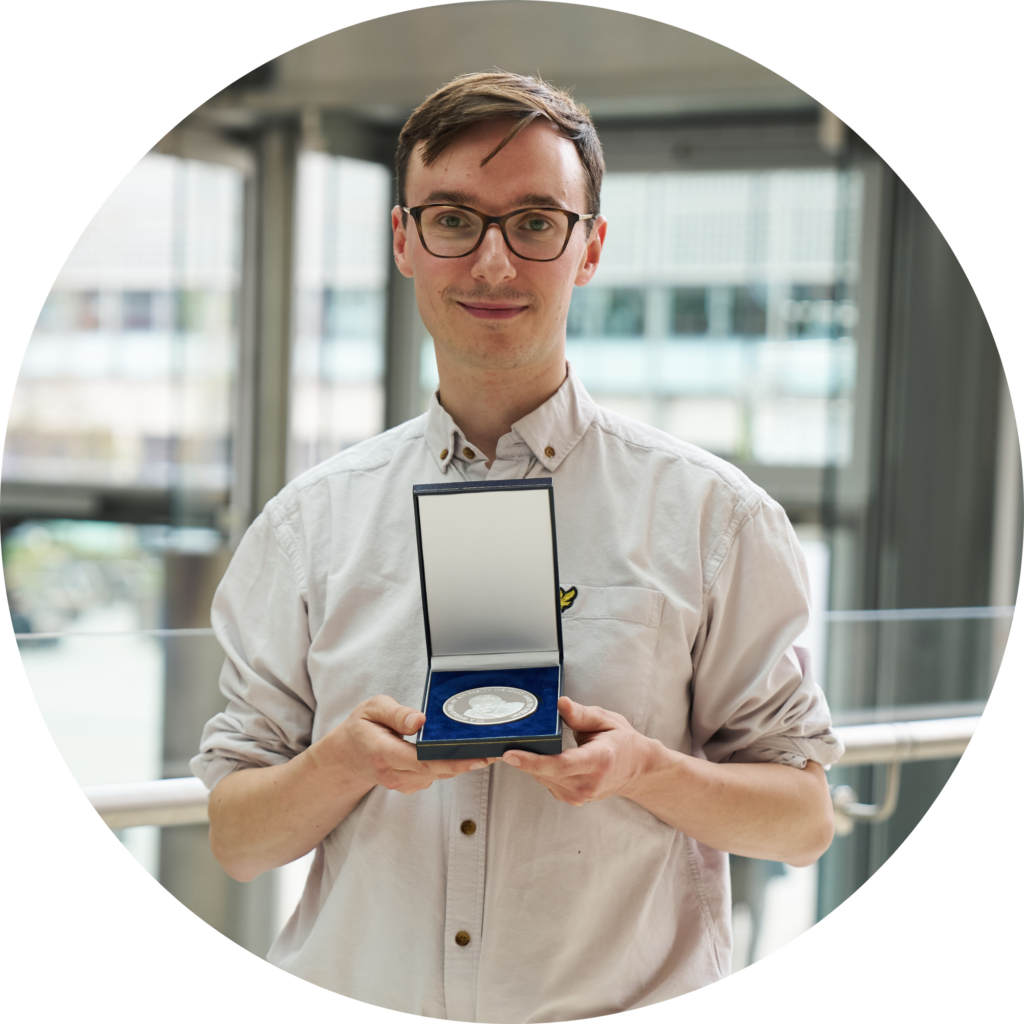
Dr Oscar Wilkins, who features in the film linked above, won the prize in 2025. He’s one of our Junior Non-Clinical Fellows and is refining gene therapies to make them safer. To help us understand this innovative and exciting research, Oscar wrote a guest blog, which you can read here.
The second, recently awarded recipient, was Dr Peter Harley, whose work has been instrumental in laying the groundwork for the FUNCTION-ALS trial. Upon being awarded his prize, he said:
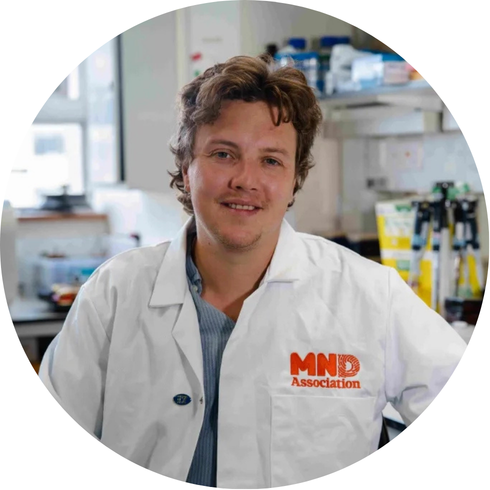
Whenever I tell people I work on MND, Rob Burrow is the first name that comes up. His relentless campaigning with Kevin Sinfeld to raise awareness of MND has clearly worked brilliantly and has inspired so many.
Dr Peter Harley
UK MND RI young investigators pre-fellowship programme
£50,000 of funding raised by Kevin’s challenges has also been supporting the UK MND RI pre-fellowships programme. This scheme aimed to help newly qualified PhD graduates generate the preliminary data needed to secure fellowships.

One of the pre-fellows, Dr Heather Marriott at King’s College London, used her award to explore ways of subtyping MND according to gene activity, to help improve diagnosis and potential treatments. Using powerful data analysis techniques, she was able to generate key preliminary data that allowed her to apply for, and be awarded, an MND Association Junior Non-Clinical Fellowship, which you can read more about here. This Fellowship, at the University of Sheffield, will now allow Heather to expand her research.
If we know which features are causing or impacting the disease in each group, we can target those more effectively with specific drugs or therapies.
Dr Heather Marriott
The Research Nurse Network
In 2023, Kevin and the team took on their fourth challenge. The 7 in 7 in 7 Challenge involved an ultra-marathon every day for seven days in seven cities around Great Britain and Ireland.
£458,000 of funding from this event is supporting our Research Nurse Network, one of our care and services programmes that links directly to research. This is a £7.2 million investment by the Association over five years to help more people living with MND take part in research studies and clinical trials.
Since our first nurse was recruited last year, the network has significantly grown. There are now 17 Research Nurses in post across England, Wales and Northern Ireland. During the first half of 2026, our nurses connected with more than 900 people living with MND about taking part in research studies or drug screening trials, such as EXERTS-ALS and MND-SMART. By the end of 2026, the network is expected to have 22 MND Research Nurses and one Kennedy’s Disease Research Nurse in post.
While the programme is still evolving, the early signs are extremely encouraging and demonstrate the lasting impact that investment in dedicated research capacity can achieve.
Kate Hartley, Lead Research Nurse
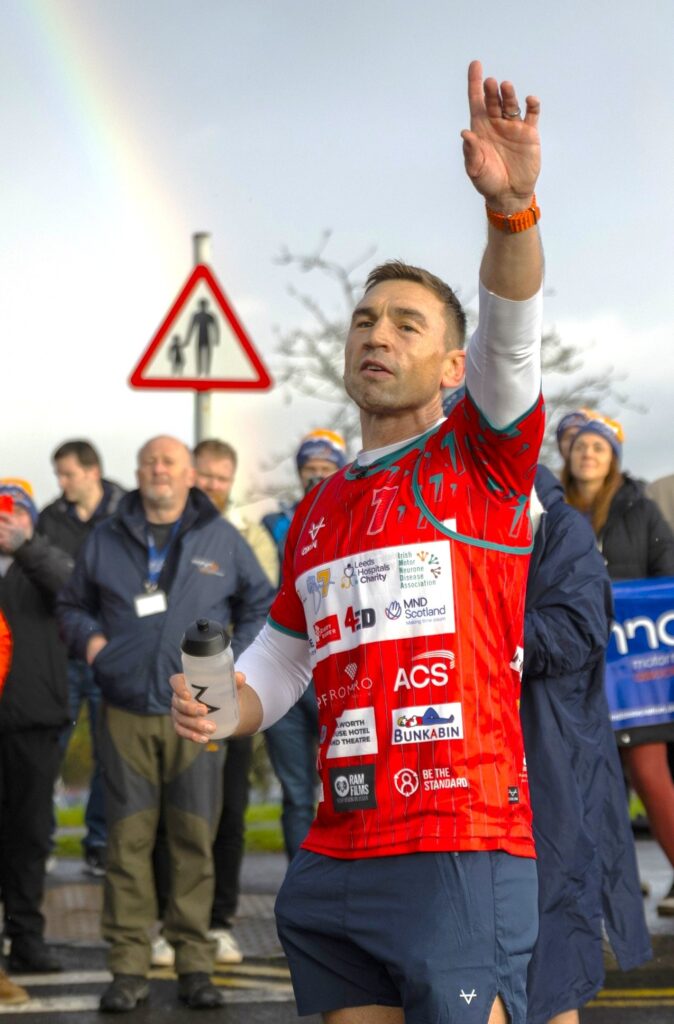
The above is a selection of projects Kevin has supported. Collectively, he and his team’s fundraising is helping researchers tackle some of the biggest unanswered questions in MND, supporting projects that could ultimately change our understanding and treatment of the disease.
This week, Kevin and the team are taking on their final 7 in 7: The Grand Finale. They’ll complete seven ultra marathons in seven days and there’s no doubt this will be another extraordinary achievement. The challenges have not only raised incredible funds for the Association and other MND charities, but they’ve also brought the MND community together, raised awareness of the disease and inspired countless others to get involved in the fight against MND.
We couldn’t have done this on our own. The money has gone a long way and we’re getting closer and closer, but we’ve got to keep pushing, we’ve got to try and find a cure.
Sir Kevin Sinfield CBE
If you’d like to donate to Kevin’s final challenge, please click here.
Thank you for your support.
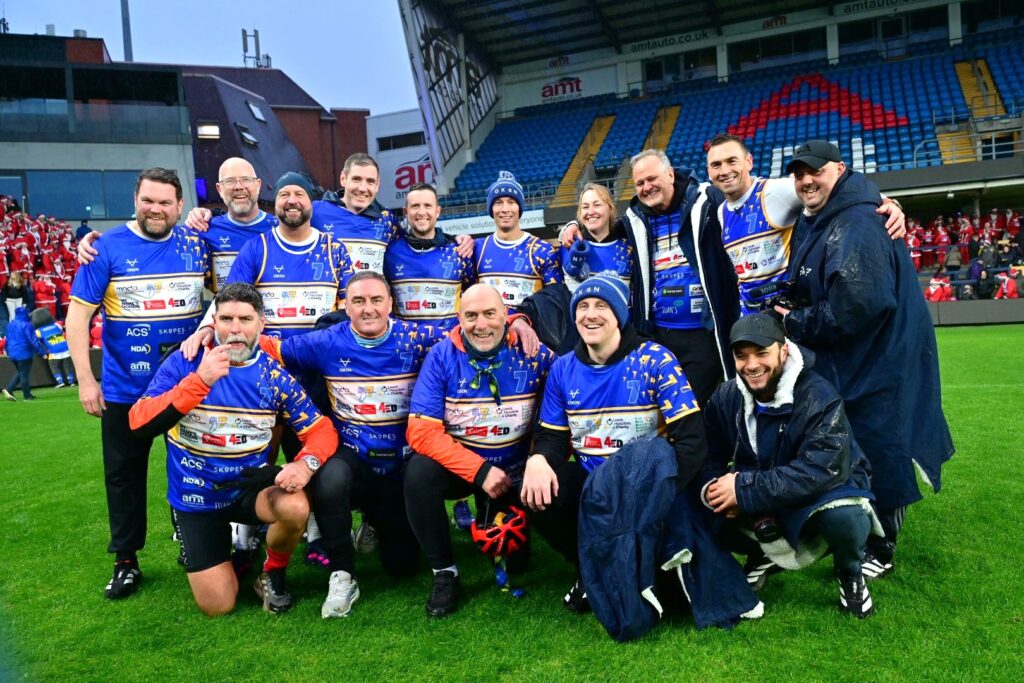
Photo credits: Phil Daly
