Reading Time: 6 minutesMND doesn’t just affect movement – it can also impact thinking and behaviour. Research has suggested that around a third of people with MND also develop changes to their thinking and learning, language and communication and behaviour and emotions. For some people with MND, these changes may be a sign of a type of dementia, known as frontotemporal dementia (FTD).
Tag: neuroimaging
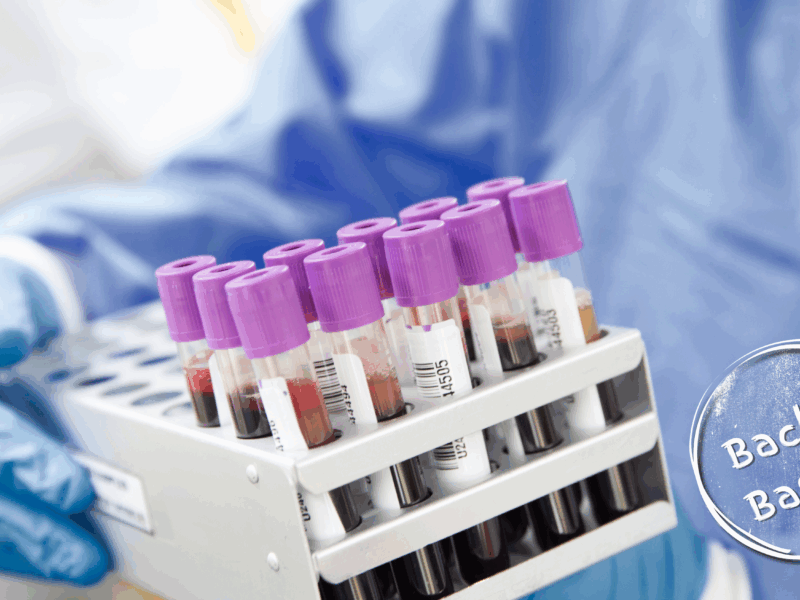
Reading Time: 7 minutesIn our previous blog, we explained what biomarkers are and what they can be used for. In this blog, we dive further into the world

Reading Time: 4 minutesIn our brains, specific areas control the movement of different body parts (see image below). As we know, MND is a complex disease with a lot of variation between individuals who are affected. For example, symptoms may start in different body parts for different individuals. Understanding why this happens may help us predict the disease onset site or progression across the body in the future.
Reading Time: 5 minutesLong before the latest wave of cellular and molecular biology advances started to give us new information on what was going on at the cellular
Reading Time: 4 minutesPlenary speaker Dr Massimo Filippi put this question to delegates on the second day of the 24th International Symposium on ALS/MND. Opening the session on