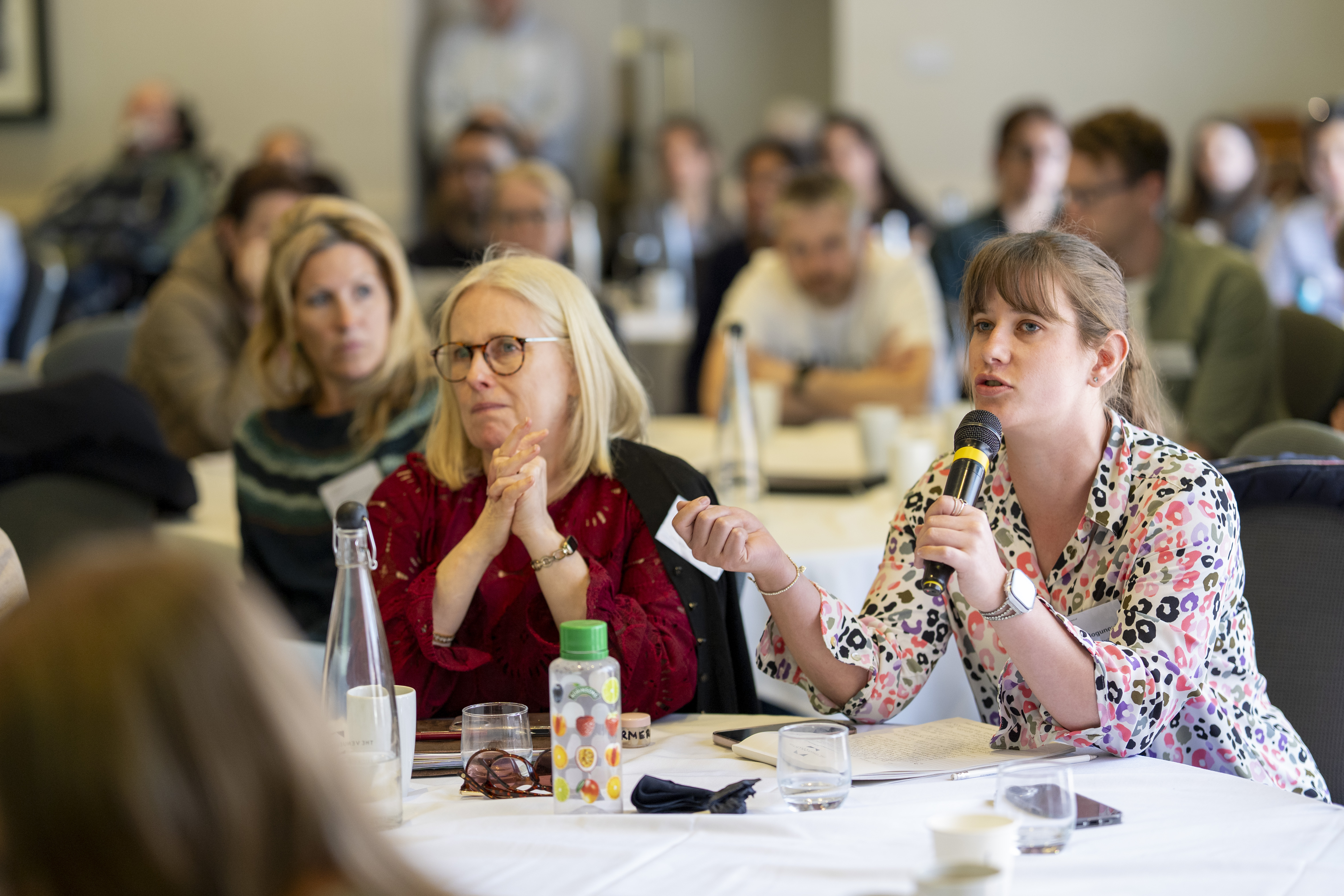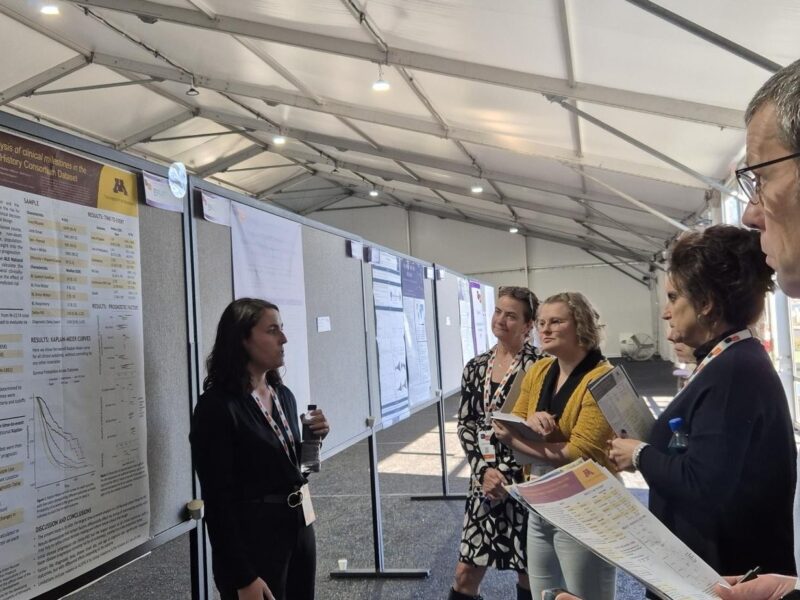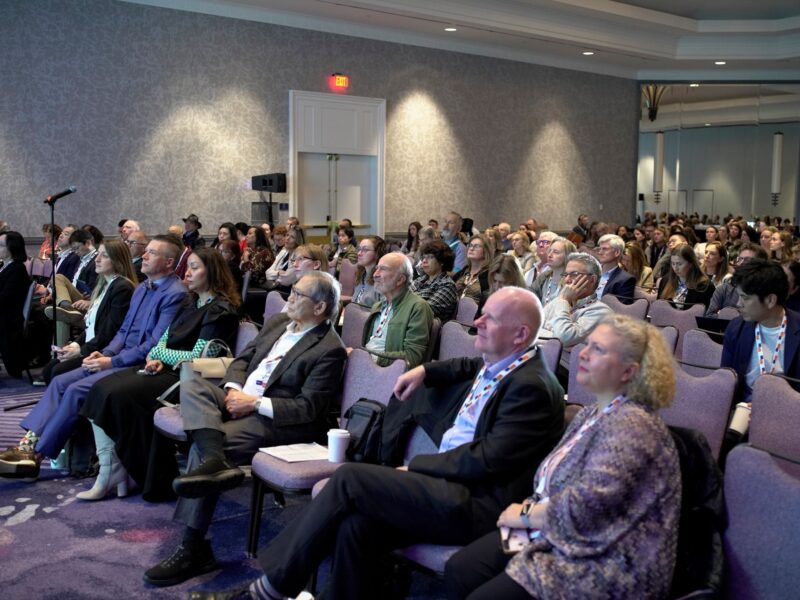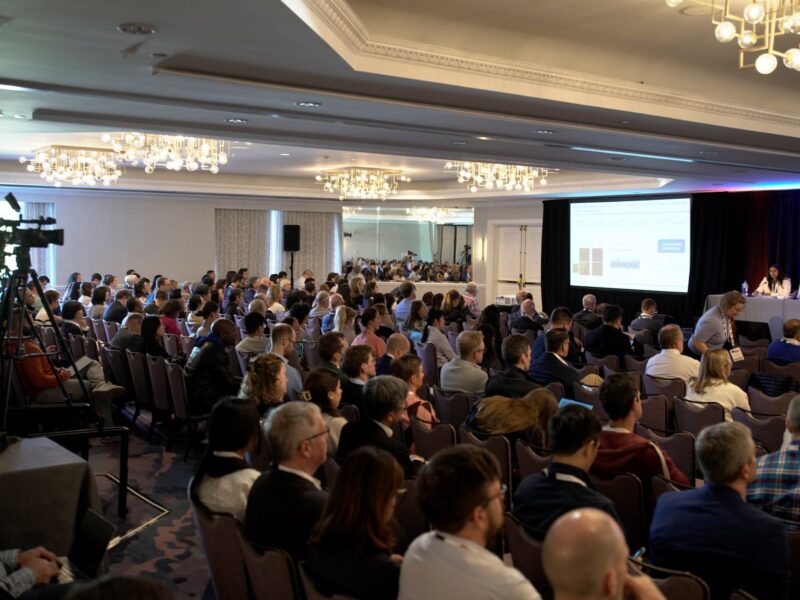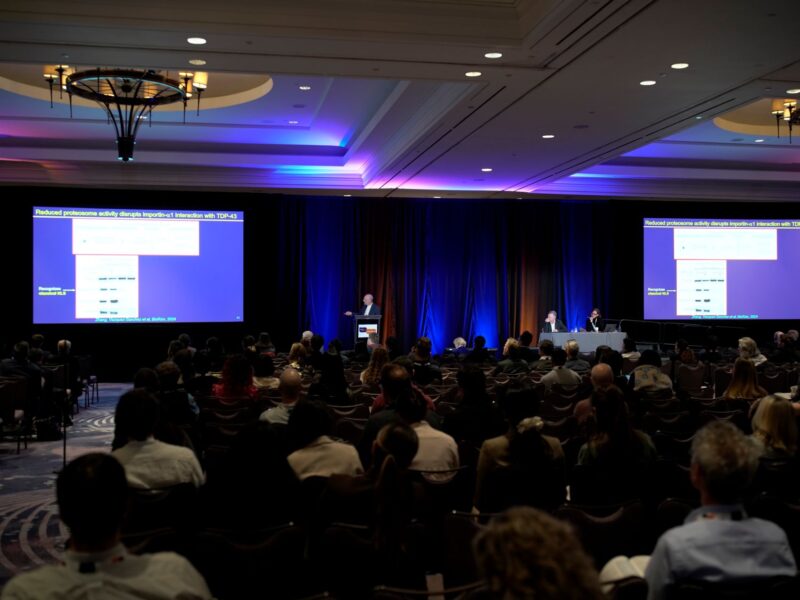
Reading Time: 2 minutesThe International Symposium on ALS/MND has closed its doors after three insightful, inspiring and hopeful days! This year’s event in San Diego really has showcased the breadth of research happening around the
Tag: MND
Reading Time: < 1 minuteIn the session on therapeutic strategies and treatment approaches, we’ve heard seven talks about new therapies being developed and new ways to find possible treatments. One talk was
Reading Time: 2 minutesThe Preclinical and Prodromal ALS session focused on early diagnosis of MND and the use of biomarkers to reveal early signs of the disease. A key approach to this type of research is to use a
Reading Time: 2 minutesFollowing the mid-morning break, which was filled with the smell of freshly brewed coffee, we attended a session on biomarkers. Biomarkers are measurable indicators of biological changes that
Reading Time: < 1 minuteWe’ve just heard some really interesting talks in the Cognitive and Psychological Assessment and Support session. Professor Sharon Abrahams opened, and explained that around half of people with MND experience
Reading Time: 2 minutesThis morning kicked off with a session about genes and phenotypes. The six talks focused on trends in the development of MND in different groups of people and
Reading Time: 2 minutesIn this year’s opening session of the International Symposium on ALS/MND, we’ve just heard the Stephen Hawking Memorial Lecture. The lecture brings expertise from outside
Finding new treatments for MND
Reading Time: 6 minutesThe global MND research community is once again preparing for one of the most anticipated events of the year—the 36th International Symposium on ALS/MND. This annual
Understanding what goes wrong in MND
Reading Time: 7 minutesOur DNA contains genes, which are the instructions to make proteins, and proteins are the building blocks of our cells. Changes to the instructions in genes can affect not only what proteins are made, but how proteins are made. Understanding the changes in genes and proteins that are linked to MND can help us to understand what goes wrong in MND and why.
Reading Time: 6 minutesMND doesn’t just affect movement – it can also impact thinking and behaviour. Research has suggested that around a third of people with MND also develop changes to their thinking and learning, language and communication and behaviour and emotions. For some people with MND, these changes may be a sign of a type of dementia, known as frontotemporal dementia (FTD).